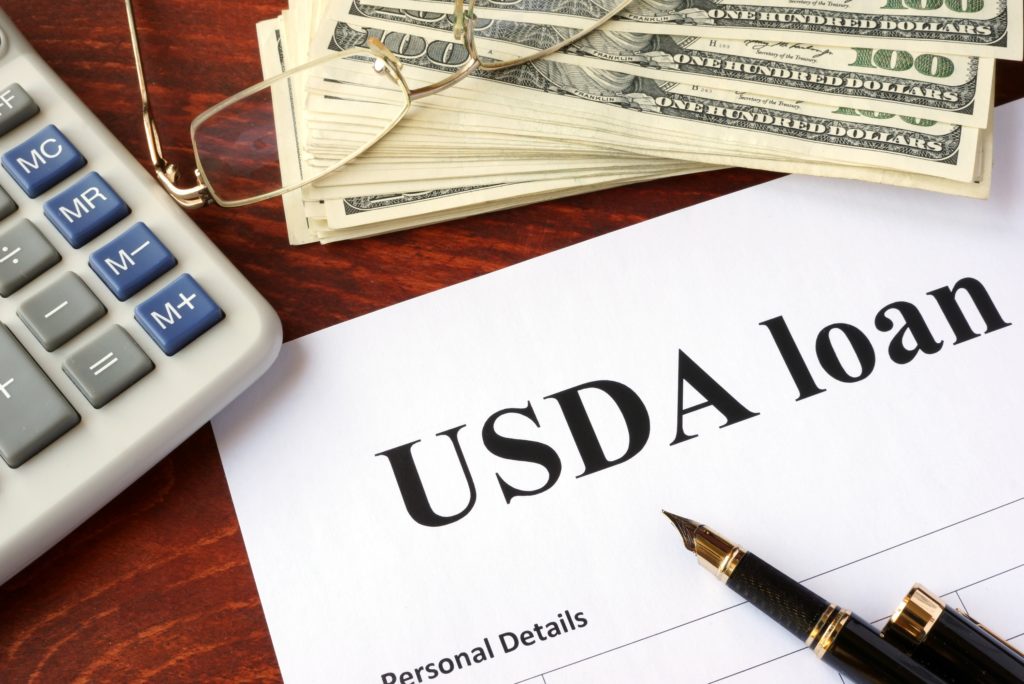
Friday, December 16, 2022

How to Get a Home Loan

How to Get a Home Loan

Getting a home loan is one of the most significant financial decisions ever. It can also be stressful, especially if you don’t know what to expect. But even with fluctuating interest rates and an uncertain economy, financing a home is easier than you might think. We’re here to help guide you through every step of the process.

Find out how much you can afford.

The size of your mortgage payment depends on your loan and how much money you have coming in each month. If you’re planning to buy a home, it’s essential to start saving as early as possible. The more money you can save up before applying for a home loan, the bigger house or condo you’ll be able to afford with the same borrowing power.

The more borrowing power you have, the bigger house or condo you’ll be able to afford with that same amount of savings. Suppose your monthly savings are less than $500 per month. In that case, it may only make sense for you to purchase an expensive property if there’s some other reason why having one would benefit your family financially (and emotionally).

Check your credit score and credit history.

Before applying for a home loan, it’s vital to understand your credit report and score. Your credit score is a record of your financial history that mortgage lenders use to determine whether you should receive loans or the terms under which they will be made available to you.

Your credit score is based on information from your credit reports and indicates the risk you pose to lenders. A higher credit score will generally result in lower interest rates, more favorable loan terms, and better options for financing various aspects of daily life, including residential mortgages.

Pay down debts to make your application more attractive.

It is always a good idea to pay down your debts to make your application and debt-to-income ratio more attractive. Ideally, it would be best if you aimed to have no outstanding debts when applying for a home loan.

If you have large amounts owing on other loans such as credit cards, personal loans, and car loans, these should be paid off before applying for a home loan as this will result in being able to secure lower interest rates.

Save up for a significant down payment.

The first thing to do when you start the home-buying process is to save up some money. A down payment is a lump sum of cash you put toward purchasing your house. It can be anywhere from 3% to 20% of the total cost of your home, but most lenders require at least 5% to get approved for financing.

You’ll pay back this money over time as part of your mortgage payments, and it’s also good practice—especially if you’re buying a house with limited cash on hand—to make sure there’s enough room in your budget for closing costs and other fees associated with purchasing property.

Consider your down payment options.

  • Down payments can be a challenge, but with some planning and the right tools, it’s possible to get a home loan without putting down 20% of the purchase price. Here are a few options:
  • Create a down payment fund. Before you even begin house hunting, start saving for your down payment. You can set up automatic monthly transfers from your checking account into an interest-bearing savings account or CD (Certificate of Deposit).
  • Use savings for a down payment. If you’ve already saved up money in an emergency fund or other high-interest savings account, consider using those funds as part of your down payment instead of getting another loan with high-interest rates. This way, you’ll have more money after closing costs toward renovations or furnishing your new home!
  • Get help from family members and friends with large sums of cash to contribute toward the purchase price if necessary—or ask them for gifts instead, so they don’t feel obligated to give any money!

Apply for pre-qualification or pre-approval for a mortgage loan to see how much you could get approved.

Pre-Qualification

Pre-qualification is a non-binding process that helps you understand how much you can afford to borrow. This involves answering questions about your income and assets, including current debts. The lender will then run a credit report to check for any red flags on your credit history and estimate what loan amount you might be eligible for based on this information. You’ll usually receive this estimate within 24 hours after applying, and if it’s different from what you were expecting, there are no further obligations associated with pre-qualifying for financing options.

Consider other types of home loans.

A home equity loan is secured by your home, typically for expensive purchases such as a car or education. You can use it to purchase anything you want that fits your needs, but the loan’s principal balance will be repaid over time with a monthly payment that is typically lower than those on a mortgage.

A home equity line of credit (HELOC) is similar to a traditional HELOC in that it’s also secured by your house and allows you to borrow money whenever you need it without going through the application process. However, instead of having one large sum available at once, like with a traditional HELOC, this type has multiple draw periods over time so that more funds may be taken out as needed without having to close down the account when all funds have been used up.

Reverse mortgages allow individuals age 62 or older who own their homes outright (or receive title upon death) access their home equity through a monthly payment made directly into an account controlled by them until they die or move out; this leaves behind no debt when there was none before–in other words, you don’t pay back anything after receiving these funds unless someone else inherits them later down the road! In addition, the interest rate and mortgage insurance are very competitive when the debt-to-income ratio is low.

View your offers from multiple lenders and compare your options.

Once you’ve decided on the loan term that works best for your situation, it’s time to compare offers from lenders.

  • Compare interest rates. The interest rate is how much money you’ll have to pay each month in addition to your principal (the amount you borrowed). Higher interest rates mean higher monthly payments and vice versa. The mortgage application process varies with each mortgage lender.
  • Compare fees and closing costs. Many other expenses are associated with getting a mortgage loan, including origination and underwriting fees, which can add up quickly. Consider these when comparing offers with different lenders, as the mortgage process will also differ.
  • Look at lender reputation and customer satisfaction ratings. This will give you an idea of how satisfied past customers were with their service experience and whether they would recommend the lender to others who needed help getting a mortgage loan.* Note: Lenders usually only accept requests for pre-approval after an initial application has been completed and a credit score obtained by both borrower and lender representative.* Note: If there are discrepancies between information from different sources (e.,g., credit score vs. tax return), discuss these with your loan officer before submitting documents/information as part of an application package and mortgage process (e.,g. credit report vs. tax return).”

Choose the best lender and type of home loan for you.

Choosing the best lender and type of home loan for you will require some research on your part.

  • Check with your real estate agent to see which mortgage lenders they recommend. Your real estate agent can also help you ensure that the deal you’re getting is competitive, so it’s worth talking to them.
  • Ask friends and family for loan officer recommendations as well; often, someone in this group has had a good experience working with one particular financial institution/credit unions or another, so they may have some ideas for where to start looking. This is especially true if they’ve used a mortgage broker before: mortgage brokers are experts at finding the right home loan solutions while offering their clients personalized attention throughout securing one’s new home loan agreement or refinancing an existing one (if necessary).
  • Many lenders will require various mortgage documents when applying for a mortgage. Lenders generally use your financial situation and financial documents with your verbal or written permission to determine your ability to qualify for specific loan programs, whether they are a local or online lenders.
  • When ready to apply for a mortgage, you will complete a mortgage application en route to your approval. Your mortgage application will look at credit reports, credit inquiries, credit card balances or debt obligations, monthly debt payments, pay stubs, child support, bank statements and savings accounts, profit and loss statements (if self-employed), loan-to-value ratio, minimum credit score. Once your mortgage application is submitted, there will be an underwriting process to ensure that your loan estimates are in line with the sale price and value of the home.
  • Your mortgage application will be set up for a specific type of loan and loan options. It could be a conventional loan/conventional mortgage, FHA loan – federal housing administration, VA loans, USDA loan, or other government-backed loans.

Getting a loan is easier than it seems, but it’s wise to be well-prepared before you apply.

The first step is to make sure you’re in a position to buy by talking to a mortgage lender. The best way to do this is to know your credit score before getting a mortgage, so you can see if any issues need addressing before getting started. If there are issues on your report, work with a credit counselor or ask family members for advice about improving it.

You also want to save enough money for a down payment—the percentage of the home price that has been paid upfront rather than financed through the loan itself. This amount can range from 3% (typical for FHA loans) to 20% (for conventional loans). Finally, you must have enough cash saved when applying because there are no other options besides paying cash or having money saved within an account.

Remember that your credit score and interest rate are directly related. You will receive a loan estimate when you apply for a mortgage and sign your initial documents. This estimate will include estimated mortgage payments. Your mortgage pre-approval uses your gross monthly income (including child support) from your pay stubs, bank statements, or tax returns (if self-employed) to determine your debt-to-income ratio when applying for a mortgage. How much down payment you have will affect your mortgage rates and fees (unless you are using a VA loan, as they don’t require a down payment). A larger down payment also matters. House hunting is one of the most fun parts of the home-buying process. Many lenders will allow a low credit score for their home loans, but the higher, the better. The last part of the mortgage process is determining a closing date and signing your closing disclosure. Finally, you would wire your required closing funds and down payment from your bank account and get your keys to your new home.

home loans

Summary of Different Types of Home Loans

FHA loan

A mortgage insured by the Federal Housing Administration. It is a popular option for first-time homebuyers because it has a lower down payment requirement and is more lenient with credit scores.

Conventional loan

A mortgage that a government agency, such as the FHA or VA, does not back. Private lenders offer these loans and typically have stricter eligibility requirements, including a higher credit score and a larger down payment.

VA loan

A mortgage backed by the Department of Veterans Affairs. It is available to active duty military members, veterans, and their families, and it often has more favorable terms, including no down payment requirement.

USDA loan

A mortgage backed by the United States Department of Agriculture. It is available to borrowers in rural and suburban areas and often has more favorable terms, including a lower down payment requirement and a lower interest rate.

Jumbo loan

A mortgage that exceeds the conforming loan limits set by the Federal Housing Finance Agency. These loans are more significant than the maximum amount that can be purchased or guaranteed by Fannie Mae or Freddie Mac, the government-sponsored enterprises that buy and sell most home loans. In addition, jumbo loans typically have higher interest rates and stricter eligibility requirements.

Down payment assistance loans

Programs that provide financial assistance to homebuyers in the form of a loan to cover the down payment on a mortgage. These programs help first-time homebuyers or low- to moderate-income borrowers afford a home. The interest rate usually is slightly higher on the loan types, and the minimum credit score is 640.

We hope this guide has helped you understand how to get a mortgage. If you have any questions, feel free to contact us at 480-330-1724.

The post How to Get a Home Loan appeared first on Todd Uzzell.


source https://todduzzell.com/mortgage-lender/how-to-get-a-home-loan/

Thursday, December 15, 2022

How Credit Rating Affects Your Ability to Get a Mortgage

The Truth About Your Credit Rating and Getting a Mortgage

The truth about your credit and getting a mortgage is that they are closely related. Your credit is a numerical representation of your creditworthiness, and lenders use it to determine whether you are a good candidate for a mortgage. If you have a high credit score range, you are more likely to be approved for a mortgage with a competitive interest rate. On the other hand, if you have a low credit rating, you may have difficulty getting a mortgage.

Before applying for a mortgage, it is crucial to understand your credit rating mortgage and how it is determined. Your average credit score is calculated using information from your credit report, which is a detailed credit history record. This report includes information about your current and past credit accounts, such as credit cards, loans, and mortgages. It also provides information about your payment history, such as whether you have made your payments on time and in full.

Credit reporting agencies, such as Equifax, Experian, and TransUnion, determine your credit. These agencies collect information from your credit report and use it to calculate your credit rating, which is typically expressed as a number between 300 and 850. The higher your credit rating, the better your creditworthiness is considered to be.

Several factors can affect your credit rating, and it is essential to understand these factors to maintain a good credit rating. One of the most critical factors is your payment history. Making your payments on time and in full is crucial for maintaining a good credit rating. Conversely, late or missed payments can harm your credit rating and can even result in your credit accounts being closed.

Another important factor is your credit utilization ratio, which is the amount of credit you are using compared to the amount of credit available to you. Keep your credit usage low, as using a large amount of credit can harm your credit.

In addition to your payment history and credit utilization ratio, your credit rating can also be affected by the types of credit accounts that you have. For example, having a mix of different credit accounts, such as credit cards, loans, and mortgages, can benefit your credit rating. It can also be helpful to have a long credit history, as this can show lenders that you have a track record of managing credit responsibly.

Once you understand how your credit is determined, you can take steps to improve it if necessary. For example, if you have a low credit rating, there are several things that you can do to improve it. First, you can pay your bills on time and in full—an essential thing you can do to maintain a good credit rating. In addition, you can try to reduce your credit utilization ratio by paying down your credit card balances or asking for an increase in your credit limits.

It may be challenging to get a mortgage if you have a low credit rating. However, there are options available to you. For example, you may qualify for a mortgage with a higher interest rate, or you may get a mortgage with a co-signer with a good credit rating. Additionally, mortgage programs, such as the Federal Housing Administration (FHA) loan program, are available for people with low credit ratings. The government backs these loans, which can help you get a mortgage even if you have a low credit rating.

In conclusion, your credit rating is essential in determining whether you are eligible for a mortgage. If you have a high credit rating, you are more likely to be approved for a mortgage with a competitive interest rate.

home loans

The ideal credit score to buy a house in 2023

It is difficult to say the ideal credit scores to buy a house in 2023, as this can vary depending on several factors. Generally, a good credit score is considered to be above 670. Still, the specific credit score needed to qualify for a mortgage can vary depending on the lender and the type of loan you are applying for.

Lenders typically use your credit score and other information from your credit report to determine your creditworthiness and the risk of lending to you. The higher your credit score, the more likely you will be approved for a mortgage with a competitive interest rate. However, it is important to note that your credit scores are just one factor that is considered by lenders when deciding whether to approve your mortgage application.

Working on improving your credit report before applying for a mortgage is a good idea. This can involve paying your bills on time, reducing your credit card balances, and avoiding using new credit accounts. Doing these things can help improve your credit score and increase your chances of being approved for a mortgage with a reasonable interest rate.

Ultimately, the ideal credit scores to buy a house in 2023 will depend on various factors, including the lender, the type of loan, and your overall creditworthiness. Therefore, it is vital to carefully research your options and compare offers from different lenders to find the best mortgage for your needs.

Other considerations for your mortgage approval

In addition to your minimum credit scores, several other factors can affect your eligibility for a mortgage. These can include your income and employment history, your debt-to-income ratio, the type of property you are looking to buy, and the size of the down payment you can make.

Your income and employment history are important factors because they are used to determine your ability to make your mortgage payments. Lenders typically want evidence of steady income and employment, such as pay stubs and tax returns. They may also require you to provide proof of income from any additional sources, such as rental properties or investments.

Your debt-to-income ratio is also a significant factor in your mortgage approval. This ratio is calculated by dividing your monthly debt payments by your gross income. Lenders typically prefer a debt-to-income ratio of 36% or less, which indicates that you have enough income to cover your monthly debt payments.

The type of property that you are looking to buy can also affect your mortgage approval. For example, lenders may have different property requirements, such as single-family homes, condominiums, or multi-unit buildings. The parcel’s location may also be a factor, as some lenders restrict lending in certain areas.

Finally, the size of your down payment can also affect your mortgage approval. Most lenders require a down payment of at least 5% of the property’s purchase price, but some may require a larger down payment. The larger your down payment, the more likely you will be approved for a mortgage and get a competitive interest rate.

Several factors can affect your eligibility for a mortgage, in addition to your credit score. These can include your income and employment history, debt-to-income ratio, property type you are looking to buy, and the size of your down payment. Therefore, it is important to carefully consider these factors when applying for a mortgage to improve your chances of approval.

Factors that affect a credit score

Several factors can affect a person’s minimum credit score. Some of the most important ones include the following:

  1. Payment history is one of the most significant factors affecting a credit score. If a person has a history of making on-time payments, it will positively impact their credit score. On the other hand, a person with a history of late or missed payments will hurt their minimum credit score.
  2. Credit utilization: This is the amount of credit a person uses compared to the total amount of credit available to them. A person using a high percentage of their available credit can harm their credit score. On the other hand, if a person is using a low percentage of their available credit, it can positively affect their credit score.
  3. Length of credit: A person’s credit reports can also be affected by the size of their credit. In general, a more extended credit history can positively impact a person’s credit score, while a shorter credit history can have a negative effect.
  4. Credit mix: The mix of credit accounts that a person has can also affect their credit score. For example, having a combination of different types of credit accounts, such as a mortgage, a car loan, and a credit card, can positively impact a person’s credit score.
  5. New credit: When a person applies for new credit, it can impact their minimum credit score. This is because applying for new credit can indicate to lenders that a person is taking on additional debt, which can be seen as a potential risk.

How your credit score affects your mortgage rate?

Your credit score can significantly impact the interest rate you are offered on a mortgage. In general, people with higher credit scores are considered less risky borrowers, and as a result, they are typically offered lower interest rates on their mortgages.

The interest rate you are offered on a mortgage can significantly impact the overall cost of your loan. For example, a person with a credit rating of 760 or higher may be offered an interest rate of 3.5% on a 30-year fixed-rate mortgage. On a loan of $250,000, this would result in monthly payments of $1,122 and total interest payments of $164,811 over the life of the loan.

On the other hand, a person with a credit report rating of 660 or lower may be offered an interest rate of 4.5% on the same loan. This would result in monthly payments of $1,267 and total interest payments of $201,252 over the life of the loan. This means that a higher credit score could save more than $36,000 in interest payments on their mortgage.

In addition to the interest rate, a person’s credit score can also affect the terms and conditions of their mortgage. For example, a person with a higher credit score may be offered a lower down payment requirement, or they may be able to avoid paying mortgage insurance.

Overall, a person’s credit can significantly impact the interest rate they are offered on a mortgage, which can have a substantial effect on the overall cost of their loan. Therefore, maintaining a good credit score can save thousands of dollars on their mortgage and access more favorable loan terms.

FHA mortgage loan

Can I get a mortgage with a low credit score?

It is possible to get a mortgage with a low credit rating, but it may be more difficult and expensive. In addition, a person with a low credit score may be considered a high-risk borrower by lenders, meaning they may be offered a higher interest rate on their mortgage.

In general, a credit score of 580 or higher is considered to be the minimum credit score needed to get a mortgage. However, it is possible to get a mortgage with a lower credit score, but the interest rate that a person is offered is likely to be higher.

If a person has a low credit score and is looking to get a mortgage, there are several steps they can take to improve their chances of getting approved. Some of these steps include:

  1. Paying off outstanding debt: A person with a low credit score may have a high credit utilization ratio, meaning they use a large portion of their available credit. Paying off outstanding debt can help lower this ratio, improving a person’s credit score.
  2. Disputing errors on their credit report: A person’s credit score can be affected by errors on their credit report. A person can improve their credit score by reviewing their credit report and disputing any mistakes they find.
  3. Building a positive credit history: A person with a low credit score may have a short credit history, making it more challenging to get approved for a mortgage. By taking out a small loan or credit card and making on-time payments, a person can start building a positive credit history, which can improve their credit score over time.

Getting a mortgage with a low credit score is possible, but it may be more complex and expensive. However, by taking steps to improve their credit score and working with a lender willing to consider their situation, a person can get approved for a mortgage with a low credit score.

Summary of How Credit Scores Affect Home Buying

Credit ratings and credit scores are important factors affecting a person’s ability to get a mortgage loan. A credit reporting agency determines a person’s credit rating, and it is based on their credit history. A person’s credit score is a numerical representation of their credit rating, and mortgage lenders use it to determine the risk of lending to a particular borrower. Therefore, your mortgage and overall interest rates will be better if you have a high credit score and low credit card debt.

The minimum credit score requirements for a mortgage loan can vary depending on the type of loan and the lender. For example, the Federal Housing Administration (FHA) has set a minimum credit score requirement of 580 for FHA loans, which are government-backed loans designed to help people with lower credit scores get approved for a mortgage. However, most lenders have their own minimum credit score requirements, and may require a score of 620 or higher for a conventional mortgage loan.

Having a higher credit score can have several benefits when it comes to getting a mortgage. For example, a person with a higher credit score is likely to be offered a lower interest rate on their mortgage, which can result in lower monthly payments. In addition, a person with a higher credit score may be able to get approved for a mortgage with a lower down payment requirement, or they may be able to avoid paying mortgage insurance.

On the other hand, a person with a lower credit score may have a more difficult time getting approved for a mortgage. In addition to being offered a higher interest rate, a person with a lower credit score may be required to make a larger down payment, or they may be required to pay mortgage insurance. In some cases, a person with a low credit score may not be able to get approved for a mortgage at all.

Improving a credit score can take time, but there are steps that a person can take to improve their chances of getting approved for a mortgage. These steps include paying off outstanding debt, disputing errors on their credit report, and building a favorable credit profile. By taking these steps, a person can improve their credit score and increase their chances of getting approved for a mortgage with a lower interest rate and more favorable loan terms.

There are many types of loans that you can get when purchasing a home:

FHA (Federal housing administration) – a government agency

Conventional Loans – Fannie Mae and Freddie Mac adhere to conforming loan limit.

USDA Loans

VA Loans

Jumbo Loans

usda loan

You can get a free credit report annually. Many lenders will have a minimum credit score required and a loan-to-value ratio to get a home loan. Auto loans rely on something other than the credit bureaus in the same way as mortgage lenders, even though credit score matters.

The post How Credit Rating Affects Your Ability to Get a Mortgage appeared first on Todd Uzzell.


source https://todduzzell.com/mortgage-lender/how-credit-rating-affects-your-ability-to-get-a-mortgage/

Wednesday, December 14, 2022

Published on YouTube: 10 Steps to the Mortgage Process – Guide to Getting Home Loan – Its Not as Hard as You Might Think

10 Steps to the Mortgage Process – Guide to Getting Home Loan – Its Not as Hard as You Might Think
https://ift.tt/KIlN2uE The mortgage process typically involves the …
via YouTube https://www.youtube.com/watch?v=GZ9vNFWjVqc

The post Published on YouTube: 10 Steps to the Mortgage Process – Guide to Getting Home Loan – Its Not as Hard as You Might Think appeared first on Todd Uzzell.


source https://todduzzell.com/mortgage-news/published-on-youtube-10-steps-to-the-mortgage-process-guide-to-getting-home-loan-its-not-as-hard-as-you-might-think/

10 Steps to Getting a Mortgage

10 Steps to Getting a Mortgage: A Guide to the Mortgage Process

Getting a mortgage is a complicated process, and it can be difficult to know where to start. This guide is here to help! We’ll be taking you through the 10 steps of the mortgage process, from the initial application to closing on your loan. Whether you’re a first-time homebuyer or a seasoned real estate investor, this guide will provide you with all the information you need to understand the mortgage process and make the best decisions for your situation. Let’s get started!

Get Pre-Approved

The first step in the mortgage process is to get pre-approved. This means that you and your mortgage lender have agreed to the terms of the loan, including the amount, interest rate, and monthly payments. During this process, the mortgage lender will review your credit history and credit score, debt to income ratio, and bank accounts to make sure that you can afford to make the monthly payments.

Once pre-approved. Finally, when you are ready to close on your home loan, you will need to provide proof of homeowner’s insurance and finalize your closing documents. After that, you are officially a homeowner!, your mortgage lender will provide you with a loan estimate. This document details all of the costs associated with getting a mortgage loan, including closing costs, mortgage insurance premiums, and other fees. Your loan amount will be determined based on your purchase price, down payment, and monthly mortgage payments.

It is important to have the assistance of a mortgage loan officer or a real estate agent during the pre-approval process. They will be able to answer any questions you have and provide guidance throughout the process. It is also a good idea to look into different types of mortgage loans, such as FHA loans or mortgages from credit unions, and compare interest rates, fees, and payment assistance programs.

When you are ready to apply for a mortgage, your lender will need certain documents, such as bank statements and proof of income. They will also need to order a credit report and perform a title search on the property. Once all of this information is collected, they can determine your final mortgage approval and closing documents.

down payment assistance loans in mesa az

Know Your Budget

When it comes to getting a mortgage, the first step is to figure out how much house you can afford. That involves understanding your budget and researching different mortgage options. Before you apply for a mortgage loan, it’s important to know what your monthly payment and other costs will look like.

Start by looking at your current bank accounts and assessing how much money you have available for a down payment. Your credit score, credit history, and debt-to-income ratio will affect what type of mortgage loan and interest rate you can qualify for. A good credit score and low debt-to-income ratio will likely result in lower monthly mortgage payments and better mortgage terms.

After assessing your budget and financial situation, you can start to look into different mortgage lenders and loan products. Talk to your real estate agent or research different banks, credit unions, and mortgage companies online to get an idea of the types of loans they offer. Take into consideration any additional fees, such as closing costs, points, mortgage insurance premiums, etc., that may be included in your loan estimate. When you’ve found the right mortgage loan officer or lender, you can begin the application process.

The next step is to submit an application for a loan and provide your bank statements, tax returns, pay stubs, employment history, and other documents. The loan officer will then use this information to calculate your loan amount and other details about your loan. Once everything is approved, the lender will provide you with a loan estimate so you can review all of the costs associated with the loan before closing.

You will also need to go through a title search and order homeowner’s insurance if you’re getting an FHA loan. After that, the closing documents will need to be reviewed and signed. The closing disclosure should include information about any fees associated with the loan, your interest rate, final approval, and closing costs.

Once all of the paperwork is signed, the closing process is complete and you will receive the final mortgage approval. This marks the end of the mortgage process and you can begin making monthly mortgage payments. Congratulations on becoming a homeowner!

Shop Around for Lenders

Shopping around for the right lender is a key step in the mortgage process. Your choice of lender will affect your interest rate, loan amount, and monthly mortgage payment. It is important to understand that all lenders are not equal, and their fees, processes, and rates can differ significantly.

When looking for a mortgage lender, it is important to consider how they will assess your credit history and credit score. Many lenders have different criteria for approving mortgages, so you should do some research to find the best deal for you. You may also want to look into local credit unions or online lenders.

When looking for the best mortgage lender for you, make sure to compare loan estimates from multiple lenders. This document will include information about the loan amount, interest rate, closing costs, mortgage insurance premiums, and monthly mortgage payments. In addition, you should review each lender’s policies on debt to income ratio and other qualifications needed to apply for a mortgage.

Before applying for a mortgage, it is important to gather up documents such as bank accounts and statements, tax returns, W-2 forms, pay stubs, and a letter of employment. You may also be required to provide proof of funds for a down payment, as well as a copy of your home purchase contract if you’re buying a house. Finally, you may need to provide documentation related to homeowner’s insurance and title search if you’re using an FHA loan.

Once you have gathered the required documents and selected the lender you would like to use, you can apply for a mortgage. Your mortgage loan officer will then review your credit report and other documents to determine if you qualify for a loan. If approved, you will receive a loan estimate and closing disclosure outlining the final details of the loan.

The last step in the mortgage process is getting final approval from the lender and closing on your loan. Once you’ve submitted all the closing documents and signed the necessary paperwork, the lender will issue a final mortgage commitment and the funds will be transferred. After this, you can complete the home purchase process by paying closing costs and obtaining homeowner’s insurance coverage.

Shopping around for lenders is one of the most important steps in the mortgage process. Taking time to compare different lenders and their policies can save you money in interest rate, closing costs, and monthly payments over the life of your loan. With proper research and planning, you can ensure that you get the best deal possible on your home loan.

Get Your Documents in Order

When you’re getting ready to apply for a mortgage, the first step is to get your documents in order. Most mortgage lenders will require you to provide documentation about your income, employment history, bank accounts, debts, and credit history. This includes tax returns, pay stubs, bank statements, credit reports, and other financial information.

Your credit score and debt to income ratio are two of the most important components of your mortgage application. Your credit score is a three-digit number that reflects how well you manage your debt and can affect your ability to qualify for a loan, as well as the interest rate you receive. Your debt to income ratio is a comparison of your total monthly debt payments to your monthly income. Mortgage lenders will use this number to assess your ability to repay the loan amount.

When applying for a mortgage, it’s also important to understand the type of loan you’re seeking and what options are available. Are you considering an FHA loan, a conventional loan, or a VA loan? You should also research different mortgage lenders and compare rates, terms, and closing costs. When shopping for a lender, be sure to find out whether they offer special programs or discounts for first-time home buyers or members of the military.

Finally, determine how much house you can afford. Take into consideration the purchase price of the property, closing costs, insurance premiums, homeowner’s insurance, taxes, and other monthly payments such as credit cards and car loans. Knowing this amount will help you decide on the right loan amount and what type of mortgage best suits your needs.

Now that you have all your documents in order and know what kind of loan you need and how much house you can afford, it’s time to start applying for a mortgage. Depending on the lender, the process may involve filling out an application, signing loan documents, getting pre-approved, providing documentation of the home sale process with a real estate agent, going through a title search and appraisal, receiving a loan estimate and closing disclosure from the lender, and making any required down payment or closing costs. Once everything is completed and submitted to the lender for final approval and mortgage closing documents are signed, you’re officially a homeowner!

Choose the Type of Loan that is Right for You

When it comes to getting a mortgage, there are many different types of loans available. It’s important to take the time to research each type of loan and decide which one is right for you. Understanding the differences between FHA loans, conventional loans, jumbo loans, and down payment assistance loans can help you make an informed decision that works best for your needs.

An FHA loan is a loan that is insured by the Federal Housing Administration. These loans are ideal for people who may not have the best credit or don’t have enough money saved up for a large down payment. FHA loans usually require a lower down payment than traditional mortgages, making them a great option for first-time home buyers.

A conventional loan is a traditional mortgage loan with no government backing. These loans often require a larger down payment and have higher interest rates. However, conventional loans are generally easier to obtain if you have good credit and can put down a significant down payment.

A jumbo loan is a loan that exceeds the conforming loan limit set by the Federal Housing Finance Agency (FHFA). These loans are typically more difficult to qualify for and usually come with higher interest rates due to their larger amounts.

Down payment assistance loans are designed to help people who don’t have enough money saved up for a down payment. These loans may be offered through state and local governments or other organizations and can provide the funds necessary for a down payment.

When it comes to deciding which type of loan is right for you, it’s important to take into account your individual situation and financial goals. Do your research and weigh your options before making a decision that works best for your specific needs.

Lock in Your Interest Rate

Locking in your interest rate is a crucial part of the mortgage process. Before you can lock in your rate, you must apply for a mortgage loan. The mortgage loan process begins with a review of your credit history and credit score. Your lender will also look at your debt-to-income ratio to determine how much you can afford to pay for your monthly mortgage payment.

Once your lender has approved your loan amount, they will give you a Loan Estimate outlining the terms of the loan and closing costs. Depending on the type of loan you are applying for, you may also have to pay mortgage insurance premiums. FHA loans, for example, require mortgage insurance premiums.

To complete the loan application, you will need to provide information such as your bank accounts, income, and employment status. You may also need to provide additional documents such as bank statements or recent pay stubs.

Before locking in your interest rate, be sure to compare rates from different mortgage lenders. You can compare rates from banks, credit unions, and online mortgage lenders. Once you’ve found the best rate, you can lock it in for a certain period of time.

Keep in mind that just because you’ve locked in your rate does not mean your loan is final. After locking in your rate, you will still need to go through underwriting and receive final approval from your lender before the loan is finalized. During this time, you will also need to arrange for homeowner’s insurance and a title search if necessary.

Once all of the paperwork is completed and reviewed by your lender, you will receive a Closing Disclosure outlining the final details of your loan and closing costs. When everything is signed off on, you’ll be ready for the closing documents and final mortgage approval. Congratulations on making it through the mortgage process!

Make an Offer

When it comes time to make an offer on your dream home, you’ll want to make sure you are informed about the mortgage process. Before making an offer, you should get pre-approved for a mortgage loan from a lender and know what loan amount you are qualified for. You’ll also need to know what kind of interest rate you qualify for and how much your monthly payment will be.

A pre-approval is an important part of the mortgage process. When you apply for a mortgage, the lender will look at your credit history, credit score, debt-to-income ratio, and other factors to determine if you qualify for a loan. The lender will then give you a loan estimate that includes the estimated loan amount, interest rate, and monthly payments.

Once you have been pre-approved, you’ll need to provide the lender with various documents, such as bank statements and pay stubs, to verify your income and financial stability. You’ll also need to provide information about your current bank accounts and any other debts you may have. Once all of your documents are verified and reviewed, you’ll receive final approval from the lender.

Before closing on your loan, your lender will provide you with a Closing Disclosure that outlines the terms of the loan, such as the purchase price, down payment, closing costs, monthly mortgage payments, mortgage insurance premiums (if applicable), and other details.

If you are purchasing a home using an FHA loan or another government-backed loan program, you may also be required to pay for a title search and homeowner’s insurance before finalizing your loan.

When all of the required documents have been submitted and reviewed, the lender will issue a final mortgage approval letter to the real estate agent, who will then forward the closing documents to you. Once all of the closing documents have been signed, your loan will be finalized and you can officially become a homeowner!

FHA mortgage loan

Get a Home Appraisal

Now that you’ve decided to purchase a home, one of the first steps in the mortgage process is getting a home appraisal. A home appraisal is an important part of the mortgage loan process and helps to determine how much house you can afford.

The appraiser will inspect the property and assess its condition, size, and features. The appraised value is then used by your mortgage lender to determine the loan amount you qualify for.

In addition to the appraisal, other key components of the mortgage process include examining your credit history, income, and debt-to-income ratio. Your credit score will also play a role in determining the interest rate for your mortgage loan. The higher your credit score, the better your chances of getting a lower interest rate and monthly payment.

It’s also important to consider closing costs when budgeting for a mortgage. These are costs associated with obtaining a loan and include lender fees, title search fees, homeowner’s insurance premiums, and other expenses.

Finally, you should also consider mortgage insurance premiums when applying for a mortgage loan. Depending on your down payment and the type of loan you are applying for (e.g., FHA loan), your lender may require you to pay an additional amount each month to cover insurance premiums.

By understanding these components of the mortgage process, you will be in a better position to make an informed decision when applying for a mortgage. Be sure to speak with a qualified mortgage loan officer at a bank or credit union to learn more about the process and determine how much house you can afford.

Apply for a Mortgage

The first step in the mortgage process is to apply for a mortgage. This is usually done through a mortgage lender or a credit union. When applying for a mortgage, it is important to have a good credit history, as this will affect the interest rate and monthly payments of the loan. The lender will also look at your debt-to-income ratio, which is the amount of debt you have relative to your income.

When applying for a mortgage, you will need to provide bank statements and other documents such as tax returns and pay stubs. The lender will then run a credit report to assess your credit score and determine your loan amount. They will also calculate your closing costs and any mortgage insurance premiums that may be required.

Once the initial paperwork is completed, the lender will provide you with a loan estimate. This document outlines the estimated loan amount, interest rate, closing costs, and monthly mortgage payment. It is important to review this document carefully and make sure you understand all the terms.

After reviewing the loan estimate, you can either accept or reject the loan offer. If accepted, the lender will order a title search and an appraisal of the home. They may also request additional documents from you, such as additional bank statements or proof of homeowner’s insurance.

Once all the documents are received, the loan will be submitted for final approval. Once approved, you will receive a closing disclosure that outlines the final details of the loan, including the loan amount, closing costs, and monthly mortgage payment.

Once you sign the closing documents and make any necessary down payment or other fees, you can move forward with the purchase of your home. Congratulations – you just completed the mortgage process! Now all you need to do is find a real estate agent and start shopping for your new home!

Close on Your Home

The mortgage process doesn’t end with the application. After applying for a loan and going through the approval process, you’ll enter the final steps of closing on your home. This involves signing a number of documents to transfer the ownership of the property to you, as well as securing your mortgage loan.

Here are some of the important steps in the closing process:

1. Loan Estimate: You’ll receive an estimate from your lender that includes your loan amount, estimated interest rate, closing costs, monthly mortgage payments, and other fees associated with your loan.

2. Credit Report & Debt-to-Income Ratio: Your lender will review your credit report and debt-to-income ratio to ensure that you can make the monthly payments associated with your loan.

3. Bank Statements & Credit Union Accounts: You’ll need to provide proof of income, such as recent bank statements and credit union accounts, to your lender.

4. Down Payment & Purchase Price: The down payment and purchase price of the home will be finalized during this step.

5. Title Search: A title search is done to verify the property ownership, including any liens or encumbrances on the home.

6. Homeowner’s Insurance & Mortgage Insurance: Your lender may require that you have homeowner’s insurance and mortgage insurance in place before closing.

7. Closing Disclosure: You’ll receive a closing disclosure that outlines the final details of your loan, including any mortgage insurance premiums or closing costs.

8. Closing Documents: You’ll be asked to sign a number of closing documents to complete the purchase process and transfer the ownership of the property to you.

9. Final Approval: After all of the paperwork is signed, your lender will provide a final approval and the funds for the loan.

10. Final Mortgage Payment: Once you’ve closed on your home, you’ll need to begin making your monthly mortgage payments.

Closing on your home is an exciting step in the mortgage process! Be sure to work closely with your mortgage loan officer throughout this stage so that everything goes smoothly and you can become a homeowner soon!

The post 10 Steps to Getting a Mortgage appeared first on Todd Uzzell.


source https://todduzzell.com/calculator/mortgage-loan/10-steps-to-getting-a-mortgage/

Thursday, December 8, 2022

Published on YouTube: Mortgage Market Analysis 11 30 2022

Mortgage Market Analysis 11 30 2022
https://todduzzell.com Market Analysis – 11/30/2022 Wednesday… Stocks have ended the day sharply higher. The Dow closed …
via YouTube https://www.youtube.com/watch?v=gIEmEmc5oCY

The post Published on YouTube: Mortgage Market Analysis 11 30 2022 appeared first on Todd Uzzell.


source https://todduzzell.com/mortgage-news/published-on-youtube-mortgage-market-analysis-11-30-2022/

Compare 30 Year Jumbo Rates and Get the Best Deal

Compare 30 Year Jumbo Mortgage Rates and Get the Best Deal When it comes to big decisions regarding borrowing money, knowledge is power. ...